


The hub
Perimenopause
The transition before your periods stop for good. It commonly begins in the early forties, can begin in the late thirties, and typically lasts four to eight years.

Perimenopause is the years leading up to your final period, when oestrogen and progesterone fluctuate rather than decline smoothly. It usually starts in the early forties, lasts four to eight years, and is when almost every symptom people call "menopause" actually happens. Menopause itself is a single day: twelve months after your last period.
Which stage am I in?
Early, late, and what actually distinguishes them.
Could this be perimenopause?
Four minutes, scored across six areas, free result.
The full list
Everything reported, not just the famous three.
Am I too young for this?
Probably not, and it is the most common thing women are wrongly told. Perimenopause commonly begins in the early forties and can begin in the late thirties. Being under 45 is not, by itself, a reason to rule it out.
| Age | How common | What it usually means |
|---|---|---|
| Under 40 | Uncommon | Worth proper assessment. Premature ovarian insufficiency exists, is treatable, and is frequently missed. |
| 40–44 | Common | Well within the normal range. Frequently dismissed as too young anyway. |
| 45–49 | Very common | The most typical window for symptoms to become obvious. |
| 50–55 | Very common | Often late perimenopause or the first post-menopausal years. |
What it actually looks like
Browse by what you are noticing rather than by the clinical term.

I’m awake at 3am, every night
Understand this
I can’t find the word I want
Understand this
I’m anxious in a way that is new
Understand this
I’m suddenly hot, then freezing
Understand this
My cycle has gone strange
Understand this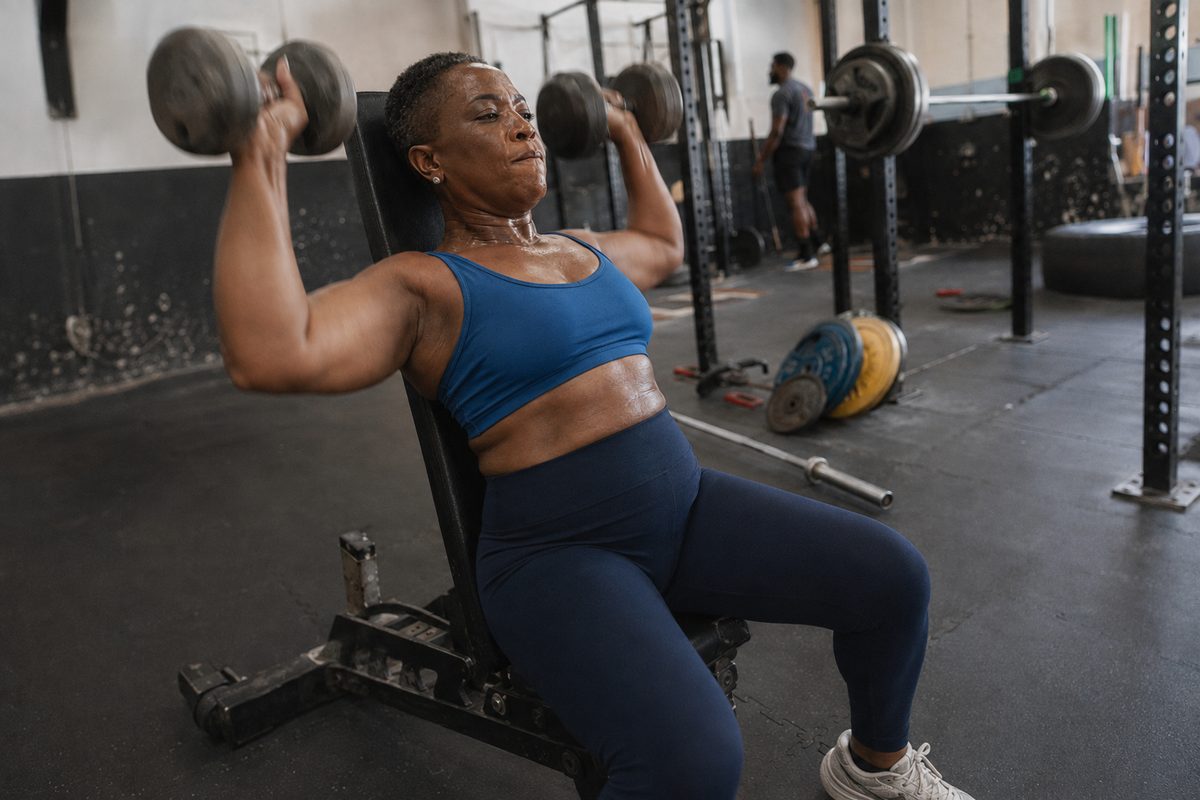
My body stopped responding to what used to work
Understand thisReading
The questions to ask your doctor
A one-page guide built from what women told us their appointments were missing. Free, and we will not sell you anything in it.
One email to deliver it, then a weekly note you can leave whenever you like. We never sell your address, and we never attach it to anything you type into the check or the assistant.