


Eight routes, graded honestly
What helps
Every section here says the same four things: what the evidence supports, who it may help, what the risks are, and what does not work. In that order, before anything is recommended and before anything is sold.
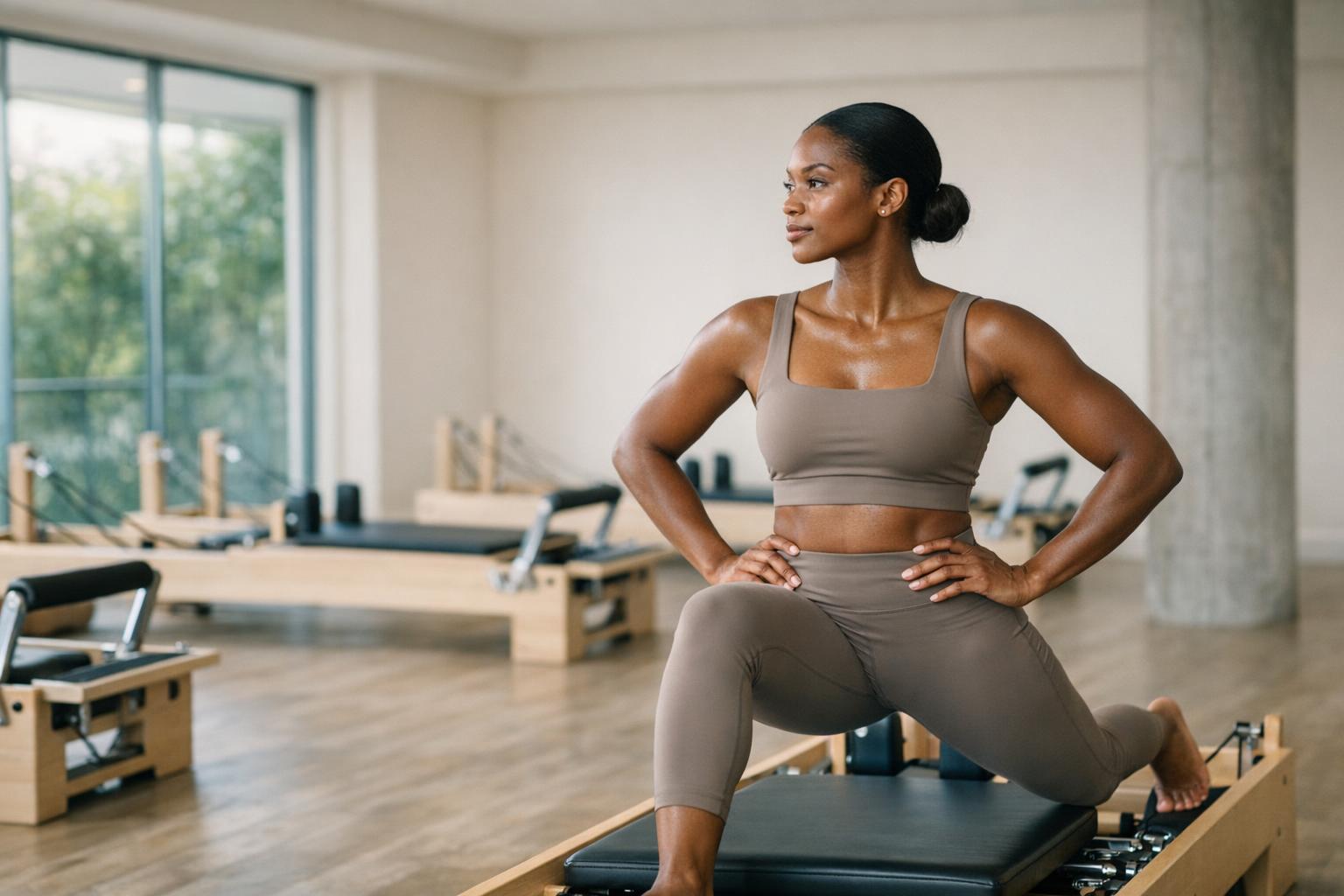

Medical treatment
Hormone therapy, non-hormonal prescription options for flushes and mood, local vaginal oestrogen, and the investigations that should happen before any of it. The 2025 labelling change moved the starting point of this conversation, and a great many clinicians have not caught up.
- What the evidence says
- The strongest evidence in this entire category, and the most poorly explained.
- Who it may help
- Hot flushes, night sweats, sleep, vaginal and urinary symptoms, bone protection, and for many women mood.
- Risks and cautions
- Route and timing matter more than the yes or no. Personal history of breast cancer, clots or liver disease changes the calculation, sometimes decisively.
- What does not work
- It is not a treatment for ageing, and it is not contraception.

Mental health
New anxiety, low mood, rage out of proportion to its cause, and the well-replicated increase in depression risk during the transition, including in women with no history of it.
- What the evidence says
- Strong for talking therapies. Real, and routinely misfiled as a hormone problem or dismissed as stress.
- Who it may help
- Cognitive behavioural approaches have good evidence, including CBT for insomnia specifically. Medication is appropriate for some women and is a medical decision.
- Risks and cautions
- The overlap with hormonal change is real, which is why treating only one side frequently fails.
- What does not work
- Pushing through is not a treatment, and neither is being told it is just your age.
Can perimenopause cause anxiety?Perimenopause rageSpeak with a psychologist
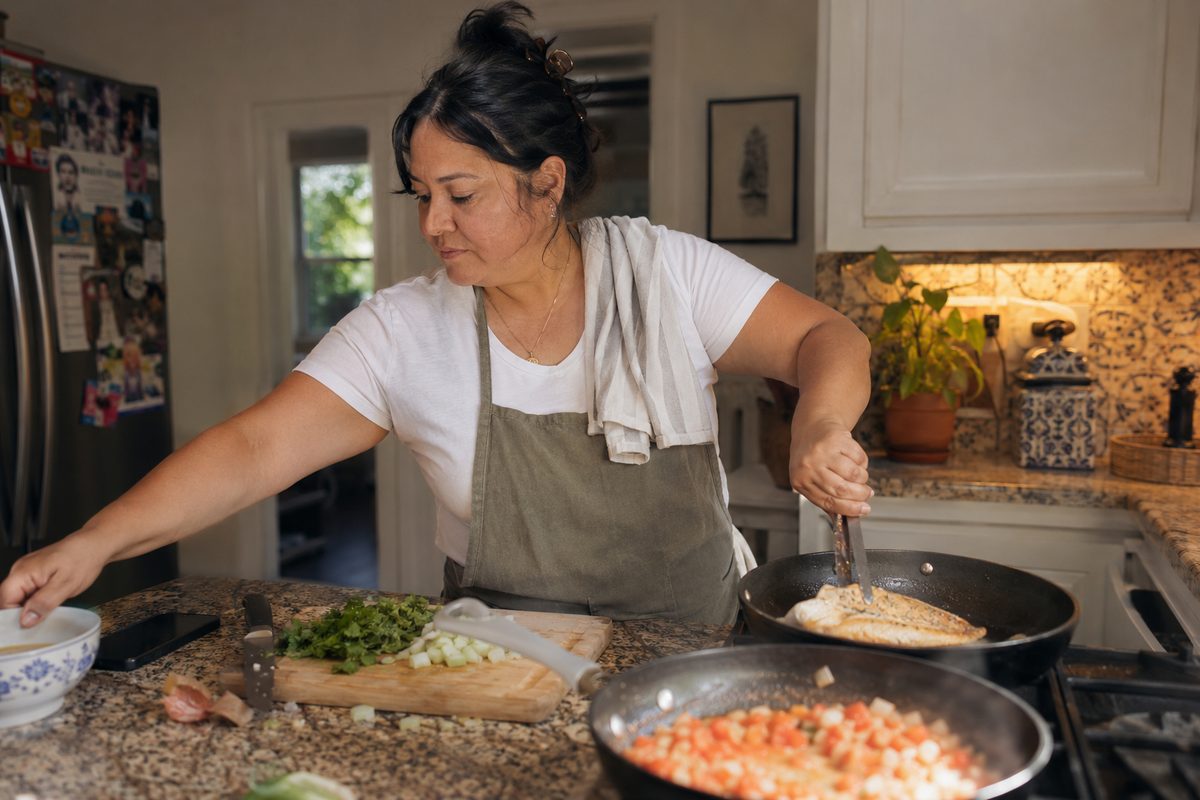
Nutrition
One number does most of the work: roughly 1.2 to 1.6 grams of protein per kilogram of body weight per day, distributed across meals rather than piled into dinner.
- What the evidence says
- Strong for protein. Weak or absent for almost everything else marketed at this life stage.
- Who it may help
- Preserving muscle, supporting bone, and making the metabolic change manageable rather than a losing battle.
- Risks and cautions
- If you have reduced kidney function, protein intake is set by a clinician rather than by a website.
- What does not work
- Detoxes, alkaline diets, and anything described as balancing your hormones.
Eating for muscle and boneHow much protein do women over 40 need?Work with a dietitian
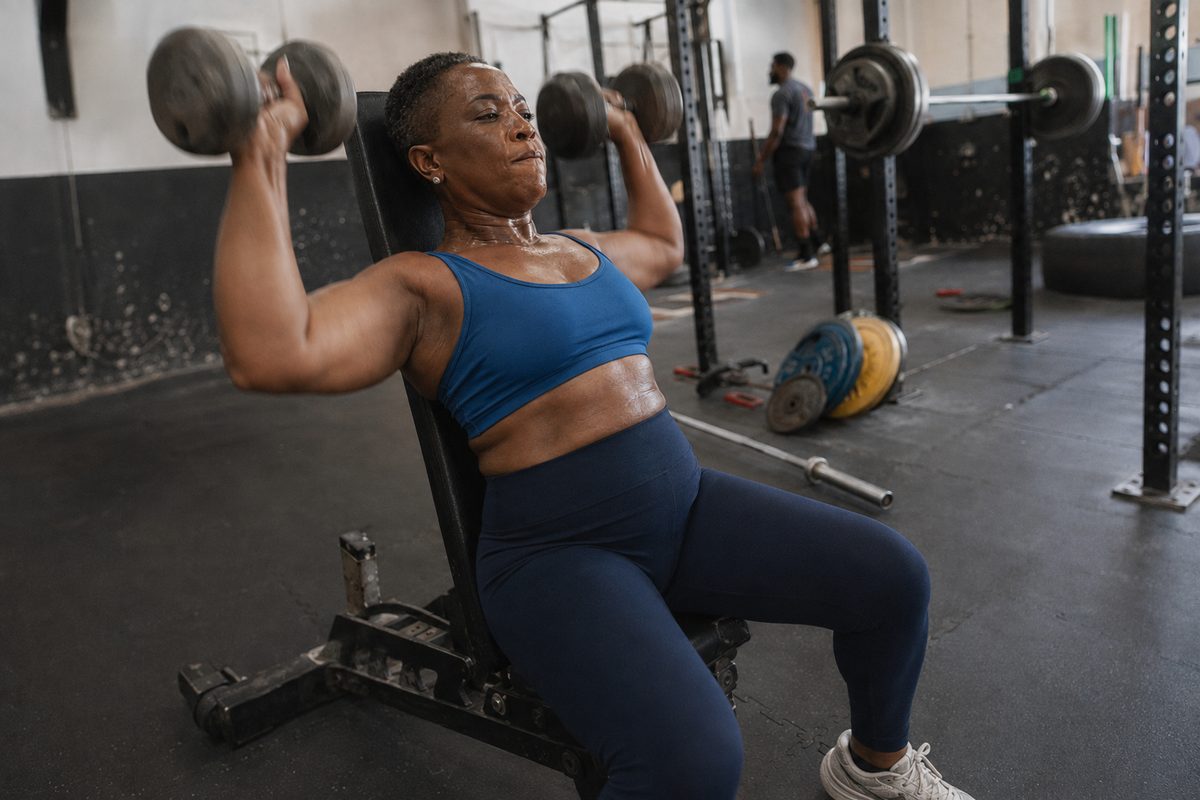
Fitness
Progressive resistance training, two or three times a week. It is the only intervention that directly counters muscle loss and loads bone at the same time.
- What the evidence says
- Strong. The best-evidenced non-medical intervention available to you in this decade.
- Who it may help
- Muscle, bone density, joint pain, glucose control, mood and sleep.
- Risks and cautions
- New, one-sided or worsening joint pain is a medical question before it is a training question.
- What does not work
- Cardio alone will not do this job, however much of it you do.
Strength training after 40Best exercise for perimenopause weight gainWork with a strength coach
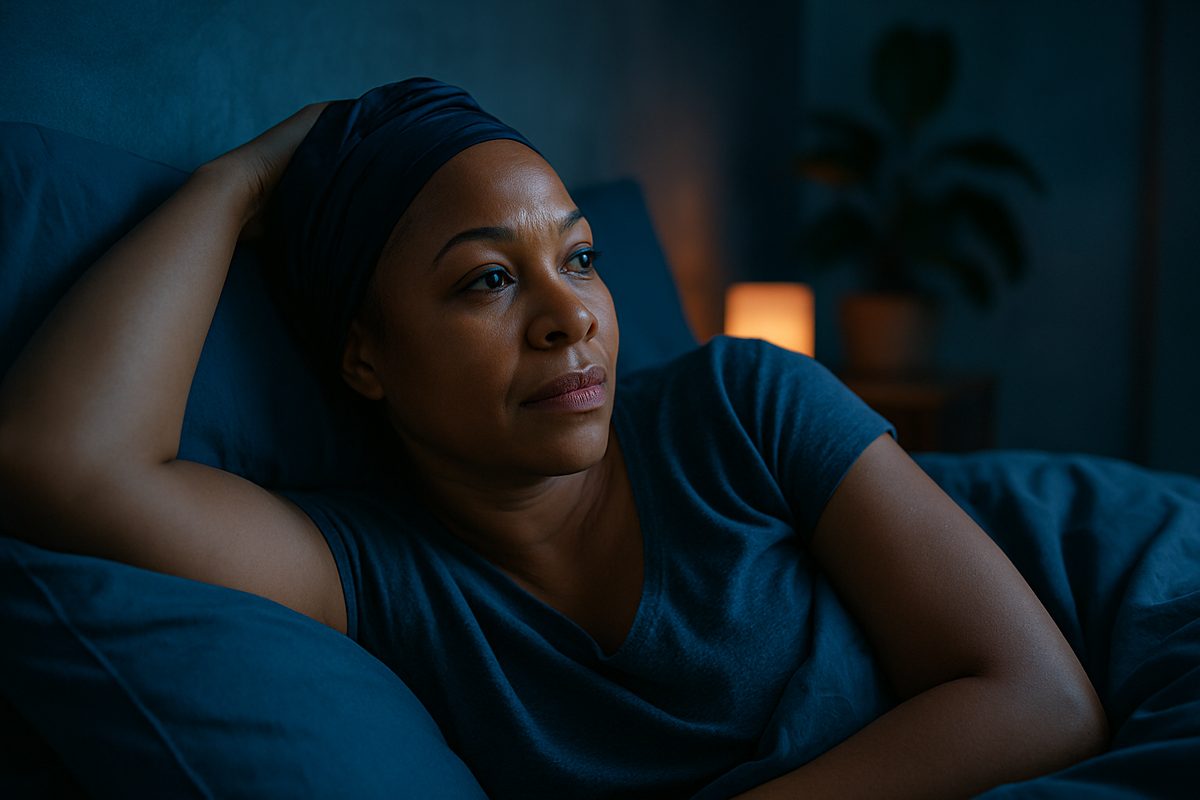
Sleep
The perimenopausal pattern is waking in the second half of the night rather than struggling to fall asleep. That distinction changes what is worth trying.
- What the evidence says
- Strong for CBT for insomnia. Strong for treating the vasomotor driver. Weak for most of what is sold.
- Who it may help
- CBT for insomnia is the recommended first-line treatment for chronic insomnia in every major guideline and is almost never offered.
- Risks and cautions
- Sleep apnoea risk rises sharply after menopause and is badly under-diagnosed in women.
- What does not work
- Most sleep supplements. We say so on the page that sells them.
Sleep during perimenopauseWhy am I waking up at 3am?Sleep picks

Sexual health
Dryness, pain with sex, urinary symptoms and changes in desire. Among the most treatable things in this whole category, and among the least raised.
- What the evidence says
- Strong for local vaginal oestrogen. Moderate for non-hormonal moisturisers.
- Who it may help
- Local vaginal oestrogen is a very low dose, had its boxed warning removed in 2025, and is highly effective. Moisturisers and lubricants help mild cases.
- Risks and cautions
- Pain with sex that is new and severe, or any bleeding after sex, needs examining rather than treating blind.
- What does not work
- Nothing about this is an inevitable part of getting older that you are supposed to accept.
Sexual wellness picksPelvic health practitionersSpeak with a doctor

Complementary and natural approaches
Acupuncture, yoga, mindfulness, herbal preparations and lifestyle interventions. Women ask about these constantly and are usually either sold them or sneered at.
- What the evidence says
- Mixed, and frequently overstated in both directions.
- Who it may help
- Mindfulness-based approaches have reasonable evidence for the distress associated with flushes rather than for the flushes themselves. Yoga has evidence for sleep and mood. Both are low risk.
- Risks and cautions
- Herbal does not mean inert. St John’s wort reduces the effectiveness of hormonal contraception and several antidepressants. Black cohosh has case reports of liver injury.
- What does not work
- Nothing here replaces medical care for something that needs it, and a commercial incentive has never changed a grade on this site.
Supplements
Supplements are regulated as food rather than as medicine, which means nobody verified the claim on the box before it was printed. Everything here is graded, including the two we tell you not to buy.
- What the evidence says
- Four things worth your money. The rest of the aisle is not.
- Who it may help
- Protein, creatine with training, vitamin D where you are deficient, and calcium from food.
- Risks and cautions
- Interactions are real and most people never mention supplements to their doctor because it does not feel like medication.
- What does not work
- Hormone-balancing blends, detox teas, and compounded hormone pellets.
Every supplement, gradedUnderstanding supplementsSupplement picks
Creatine for women in midlife: what the evidence says
The best-evidenced supplement in the aisle for muscle and strength, and one of the most misunderstood. What it does, what it does not do, and what the research in women specifically shows.
weakMagnesium and menopause: what the evidence actually says
One of the most recommended supplements in the category. We looked at what the trials show for sleep, mood, hot flushes and bone, and graded it honestly.
strongProtein in midlife: how much, and does the powder matter?
Protein requirements rise in midlife while intake usually does not. What the evidence supports for muscle and bone, how to hit the target from food, and whether a powder is worth buying.
The questions to ask your doctor
A one-page guide built from what women told us their appointments were missing. Free, and we will not sell you anything in it.
One email to deliver it, then a weekly note you can leave whenever you like. We never sell your address, and we never attach it to anything you type into the check or the assistant.